Central Chicago

Chicago Loop Valet Parking.

Chicago Loop valet parking for hotels, venues, restaurants, and office properties in the downtown street grid.

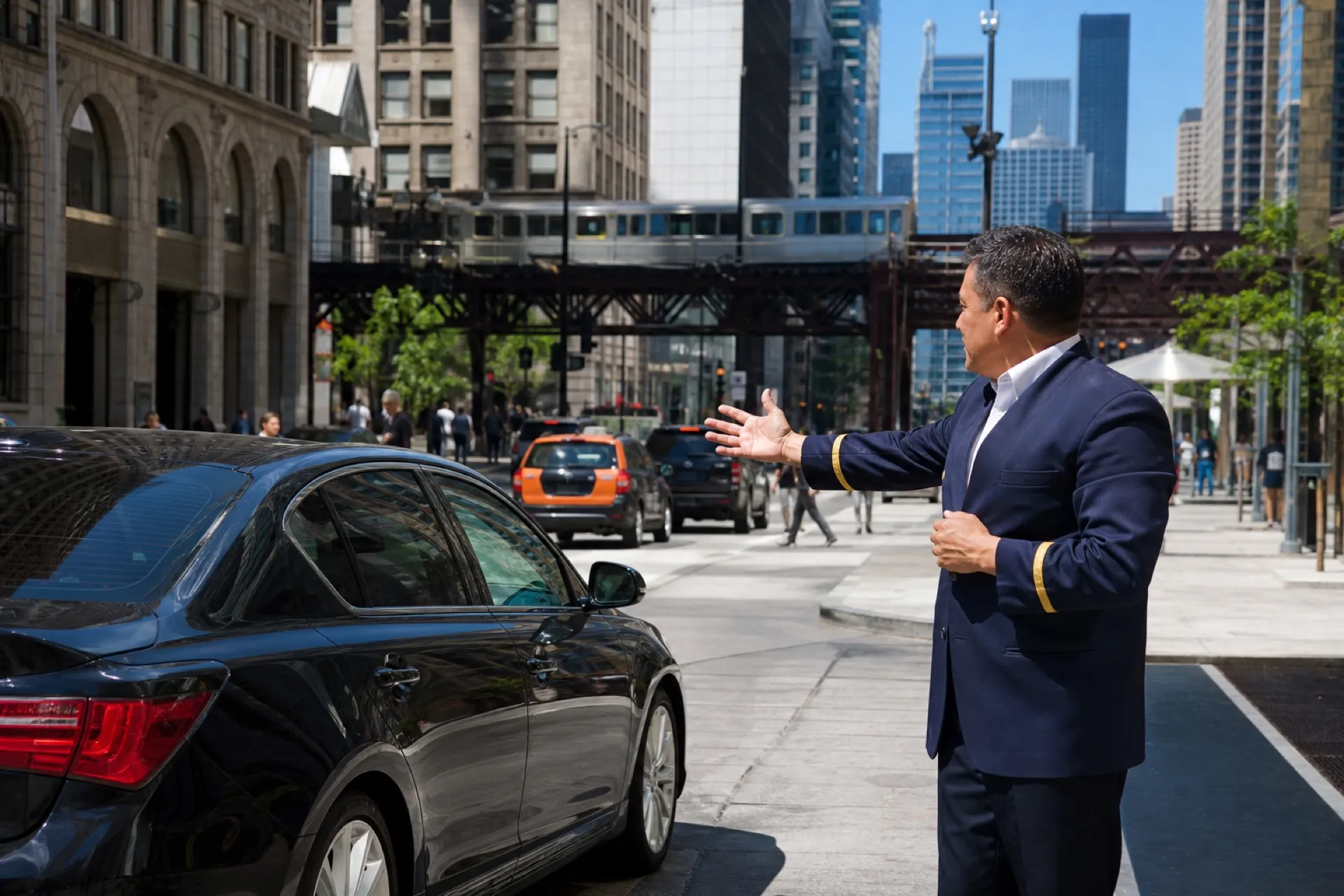
Valet guiding a vehicle on a bright Chicago street near Chicago Loop
Chicago Loop planningChicago

Local operating context

How this area affects service.

Chicago Loop at a glance: High-volume downtown movement with sharp weekday, theater, event, and hotel check-in peaks.

Chicago Loop valet parking operates among hotel arrivals, office traffic, theater schedules, delivery windows, buses, bike lanes, and pedestrians in a compact street network. The frontage, authorized curb space, garage route, and busiest interval determine how service can run.

Site-review checklist

What to inspect in Chicago Loop.

  1. 01

    One-way streets and turn restrictions

    Map the guest approach and the runner route separately. A vehicle may reach the entrance from one direction but require a different outbound path to storage, especially when a turn restriction or temporary closure changes the shortest-looking route.

  2. 02

    Loading zones, buses, and deliveries

    Verify which curb space the property may use during the requested hours and when freight, tour, shuttle, or passenger loading is scheduled. An open loading area is not automatically available for vehicle staging.

  3. 03

    Pedestrians and bike lanes

    Place the guest stop, podium, and key exchange where attendants can see drivers, cyclists, and pedestrians. Sidewalks, crossings, building doors, and cycle routes stay legible even when a queue forms.

  4. 04

    Garage access and travel time

    Test the full trip into the proposed garage, through its access process, to an authorized space, and back to the entrance. Entry queues, vertical circulation, credentials, clearance, and closing hours belong in the staffing calculation.

  5. 05

    Overlapping downtown peaks

    Hotel check-in, office departure, theater arrival, convention activity, and restaurant service can meet on the same block. Review the busiest shared interval rather than planning each property schedule as if it operates alone.

Demand by time of day

When curb pressure changes.

01

Weekday arrivals

Morning office and meeting traffic can overlap with hotel checkout, loading activity, and commuter movement. Midday demand may be lighter or may shift toward restaurant, conference, medical, and visitor arrivals, so a weekday plan needs more than one hourly average.

02

Hotel and evening turnover

Late afternoon can combine hotel check-in, office departure, dinner reservations, rideshare pickups, and scheduled performances. Assign priority at the curb, define where a short queue fits, and add storage coverage for the busiest interval.

03

Theater and event release

A performance or large program may create a concentrated departure even when arrivals were spread out. Retrieval requests, pedestrian movement, buses, and ordinary downtown traffic all influence how many vehicles can be staged near the entrance.

Property planning

Property patterns in Chicago Loop.

  • Hotels
  • Theaters
  • Office properties
  • Event venues
  1. 01

    Hotel valet parking

    Loop hotels may combine overnight guests, luggage, group arrivals, restaurant traffic, meeting programs, buses, and rideshare at one drive. Bell, front desk, security, valet, and the garage operation need the same priority order.

  2. 02

    Event valet parking

    Theater, cultural, corporate, and private events need a plan built around the published arrival and release times. Pedestrian volume and nearby programs can matter as much as the invitation count when several venues empty together.

  3. 03

    Parking management

    Office and mixed-use properties can share a frontage among visitors, tenants, deliveries, contractors, shuttles, and rideshare. Daily rules separate those routine movements and identify the changes used for events or peak periods.

  4. 04

    Restaurant valet parking

    Downtown dining demand often arrives as office traffic leaves and entertainment traffic grows. Reservation timing, storage access, delivery windows, and neighboring hotel or theater activity form one evening traffic picture.

Related services

Storage and retrieval

Where vehicles go after the handoff.

Chicago Loop valet parking often depends on a garage or controlled lot rather than curbside storage. The property verifies the authorized spaces, access credentials, operating hours, and ticket or validation process. Clearance limits and restrictions on oversized, electric, or unusually equipped vehicles belong in guest instructions.

The outbound and return routes may not be identical on a one-way downtown grid. Time both routes during a comparable service window, including the walk back if attendants exit somewhere other than the garage entrance. The operating plan also needs a response for a closed gate, a full reserved area, or a street condition that interrupts the approved route.
Nearby planning

Nearby streets can affect the route.

Vehicle storage, guest traffic, and attendant travel may connect Chicago Loop with nearby areas. Storage and retrieval timing need to account for that complete trip.

  • River North
  • West Loop
  • South Loop

Chicago Loop

Discuss Chicago Loop valet parking for your address.

Send the address, service hours, vehicle estimate, and any garage or lot already under consideration. We can begin with the route and frontage.